MfN, a Picturae Partner: Mass Digitization of Insects for the World
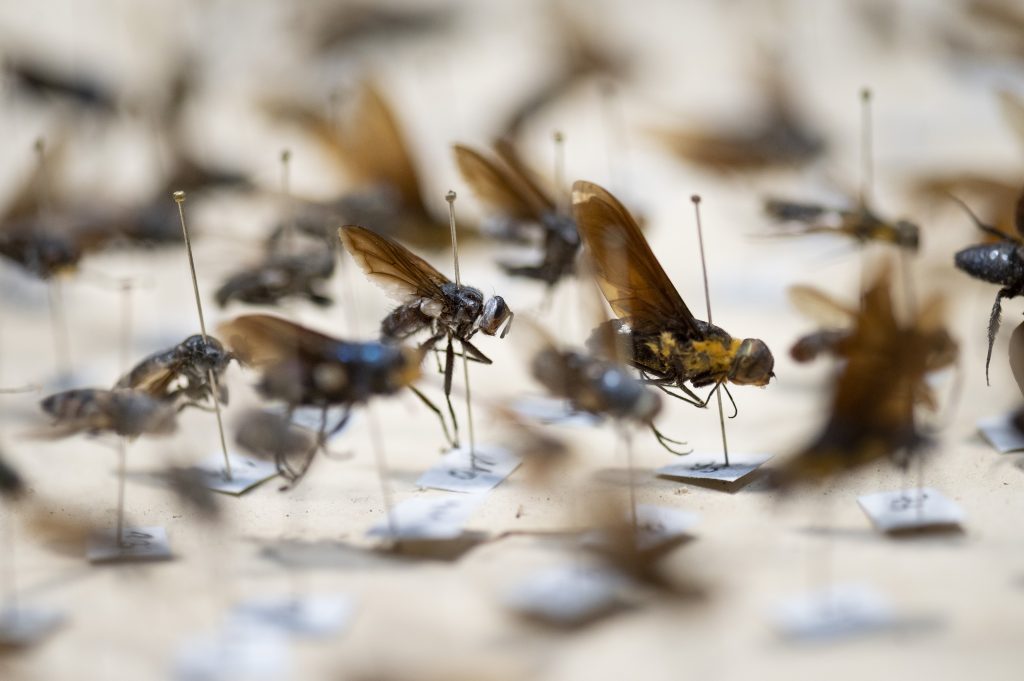
Mass Digitization of Insects
The Museum für Naturkunde Berlin published an article about the new Entomology Conveyor developed and designed by Picturae. The museum plans to digitize 500,000 individual specimens of its insect collection in the second half of this year.
The initial focus of this mass digitization project will be on the automated digital capture of bees, wasps, and ants. We are proud to say that, to this end, the Natural History Museum Berlin will be cooperating with us! By 2030, all 30 million objects in the Museum will be made accessible as scientific and cultural heritage with the funds of the Future Plan, and holistic access to the objects will be created – both digitally and analog.
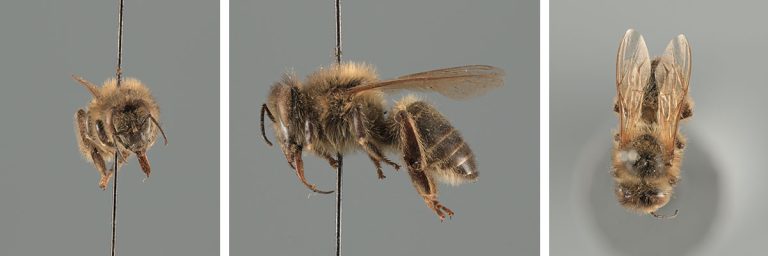
Testing at Naturalis
Before the mass digitization system open to public in Berlin in September, it will be tested at the Naturalis Biodiversity Center in the Netherlands on the insect collection there. “I’m actually a little sad that the facility will be traveling to Berlin soon,” jokes Dimitris Koureas, chief information officer at Naturalis. “Given the biodiversity crisis, natural history collections need to opened up more than ever to different approaches for research and use. And for that, they need to be digitally accessible. That’s why at Naturalis we are working hard to digitize our own collection. In the international consortium DiSSCo (Distributed System of Scientific Collections), we are developing a European digital infrastructure for all natural history collections together with international partners, including the Museum für Naturkunde Berlin.”
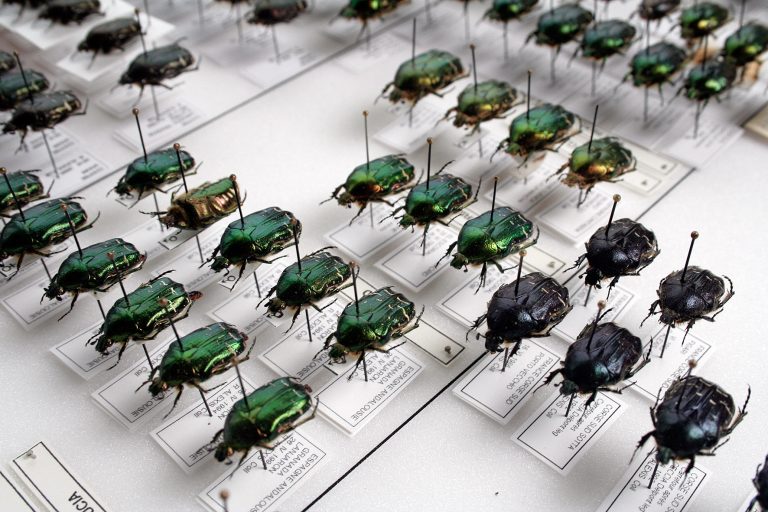
Open Pp Science
“Our task is to open up our collection to science and society. It is an enormous advantage when research on insects can be carried out worldwide at the click of a mouse, for example, to find answers to socially relevant questions about insect extinction,” says Director General Johannes Vogel. “With the support of digital indexing and digitization of our collection, we become a research museum open to all. Since researchers will then have to travel less to research objects, we will also make a contribution to CO2 reduction. We rely on cooperation with competent technology partners and develop freely reusable solutions to answer the questions of the future. Because many of the answers lie in the natural history collections of this world.”

Pinned Insect Ingenuity
The digitization of insects is now being increasingly pursued at the Museum für Naturkunde Berlin as part of the Future Plan in the Collection Disclosure and Development project. However, it would take many staff years to digitally capture or individually digitize all the insects. Now, cost-effective, fast, and accurate automated digitization is within reach: By using the new and unique Entomology Conveyor, the Museum für Naturkunde Berlin will be able to massively speed up the digitization process. The advantages of the automated solution are the minimization of manual handling, the high throughput rates, and the automated mechanisms for quality assurance of the images and captured information.
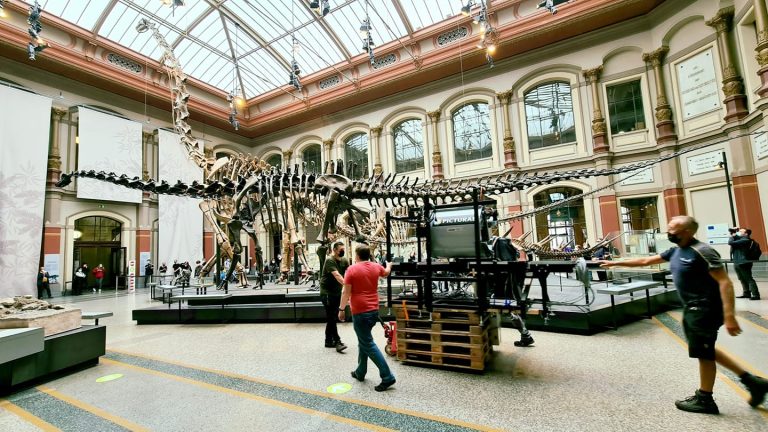
Museum Development
With approaches like these, we are further developing the museum’s collection into one of the most modern, digital-analog collection infrastructures, offering an internationally available service portfolio for research and, at the same time, for use by social, political, and economic actors.

Curious about more Entomology News?
You can find more information about inspiring projects and entomology news in our Entomology blog!
