Insights in Collections
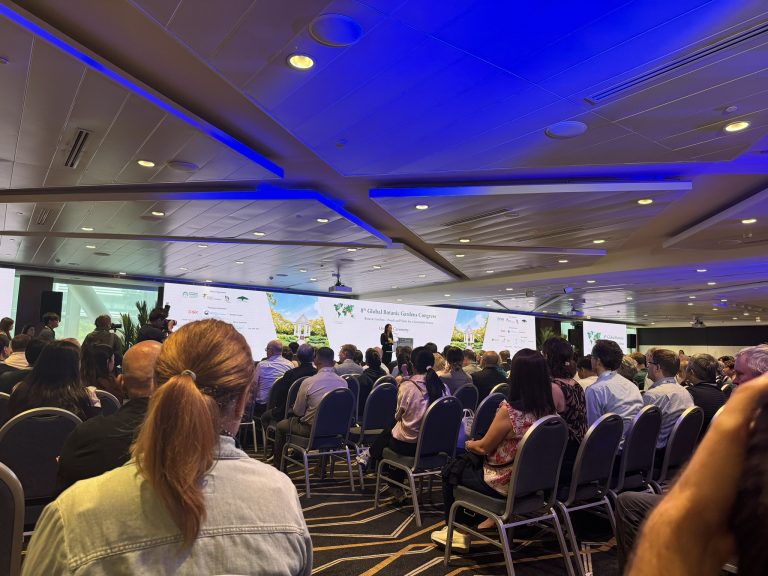
Over the last months we have broadened our network and attended several herbarium and entomology conferences in Europe and Asia. We would like to share with you our experiences and insights in this blog.

Insights and Developments in Natural History Collections
Over the last months we have broadened our network and attended several herbarium and entomology conferences in Europe and Asia. We are keen to stay on top of scientific developments and the needs of the biodiversity community. In these forums where scientists work jointly on biodiversity topics, there is a lot to learn. Through our chats with these diverse groups, we ask ourselves questions, like: How can we most effectively share our contributions to collection knowledge?

Digitizing Prevents the Worst Disappearing Act
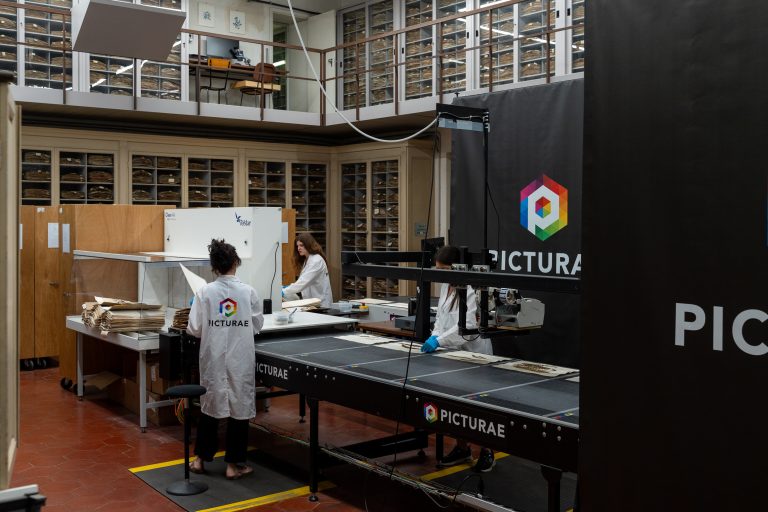
For natural history collections, time is often the enemy. Over time, precious and vulnerable biodiversity collections will degrade, but digitization allows these objects to live on for continued future research. Digitization is a tool that captures collections in their current state and transforms their management. Digitizing makes it possible to connect collections at one institution with hundreds of others. One or more geographically separate collections that share cultural and scientific significance can easily be united and used for analysis. And although ‘digitization’ might be defined in different ways depending on who you ask, the clear goal is making collection information more easily accessible and therefore useable.
Metadata Accessibility
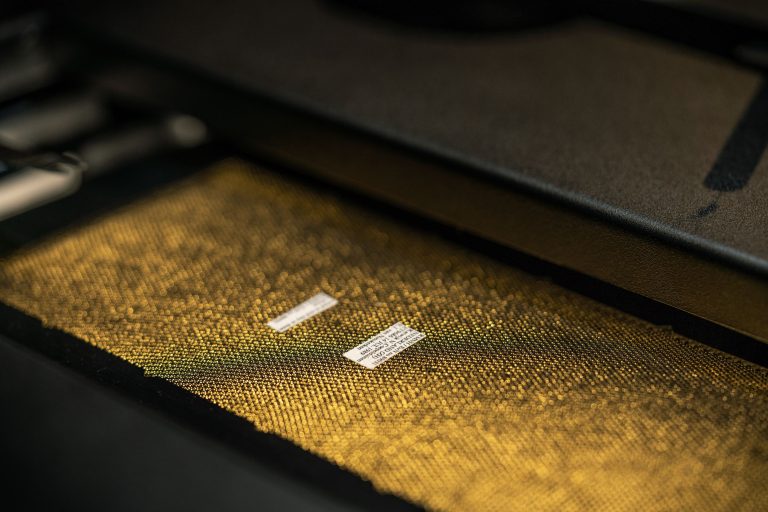
Once a collection is digitized, it should be accessible to anyone who needs these data. Therefore, we always take a few steps in our conversations with clients in advance, to make the most out of the digitization process. Accessibility also means different things to different people and institutions. However, there is a growing desire to collaborate more extensively with each new scientific publication, and that trend will not be going away any time soon! Digitization is being used to reach those goals and is opening the floodgates of data accessibility.
Community Building
The story of digitization continues to evolve as the biodiversity community begins to articulate the information they need in more standardized language. Everyone is watching each other and cheering each other on. It feels great to be involved with such a welcoming community and we would not have expected less from some of our world’s greatest minds.
Want to share your insights?
We are curious to know more about your vision and opinion! Please fill out the form below to get in touch with us and talk about the importance of natural history collections.
